 Aurora CO Plumbers Den
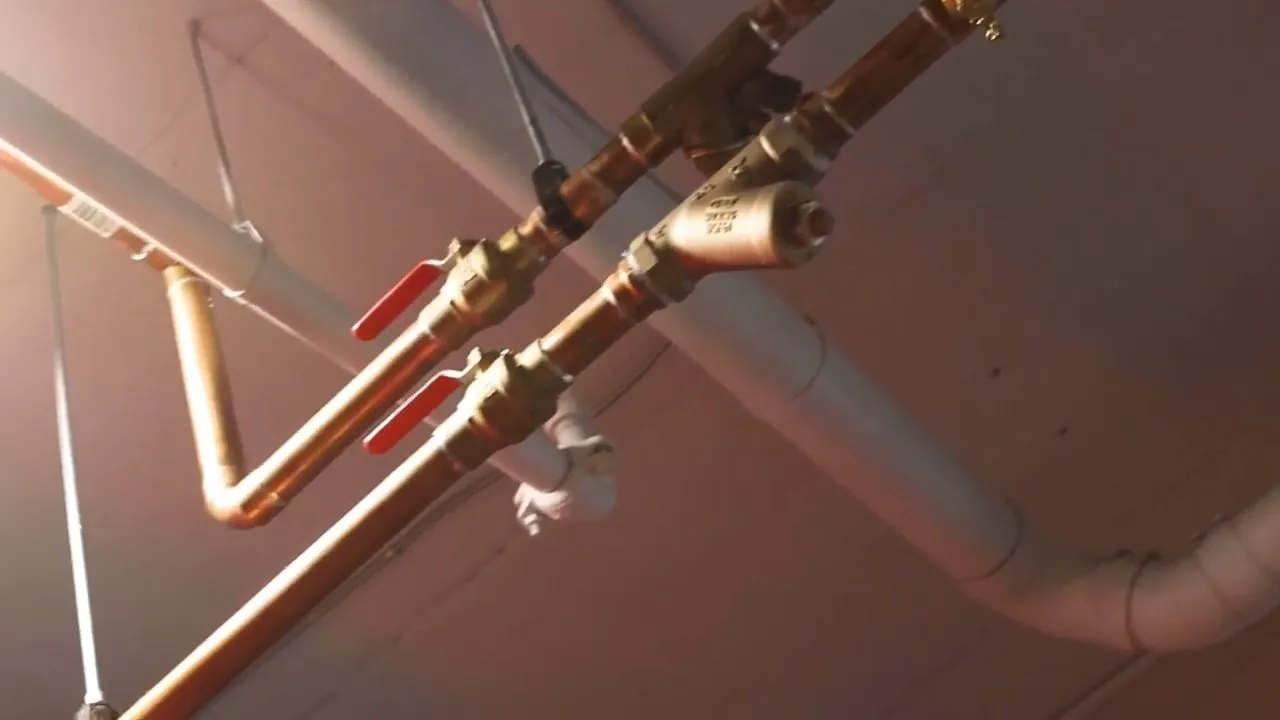
Who calls, and why the account holder matters
Aurora Water treats the property owner as the primary account holder for water, sewer and storm drain charges (Aurora Water landlord resources). A tenant who sees a problem may call the landlord, and the landlord may call a manager. The dispatch line takes the call from whoever has the problem and routes it to a plumber in our network.
| Who is calling | What to say first | Plan for |
|---|---|---|
| Restaurant owner or kitchen manager | Where the backup appears and what drains to it | Grease and floor drains, after-hours kitchen access |
| Landlord with one rental | Unit, tenant contact and the symptom | Entry, tenant notice and a written report |
| Property manager, several units | Building, units affected and shared lines | Isolating valves, stack and main line checks |
| Tenant | What is leaking and whether the owner knows | Contacting the owner; shutting off water if urgent |
Say how many fixtures or units sit on the line that failed and where the shutoff valves are. A plumber can then say whether the problem is local to one tenant or runs through the building.
Restaurants and commercial kitchens: grease and drains
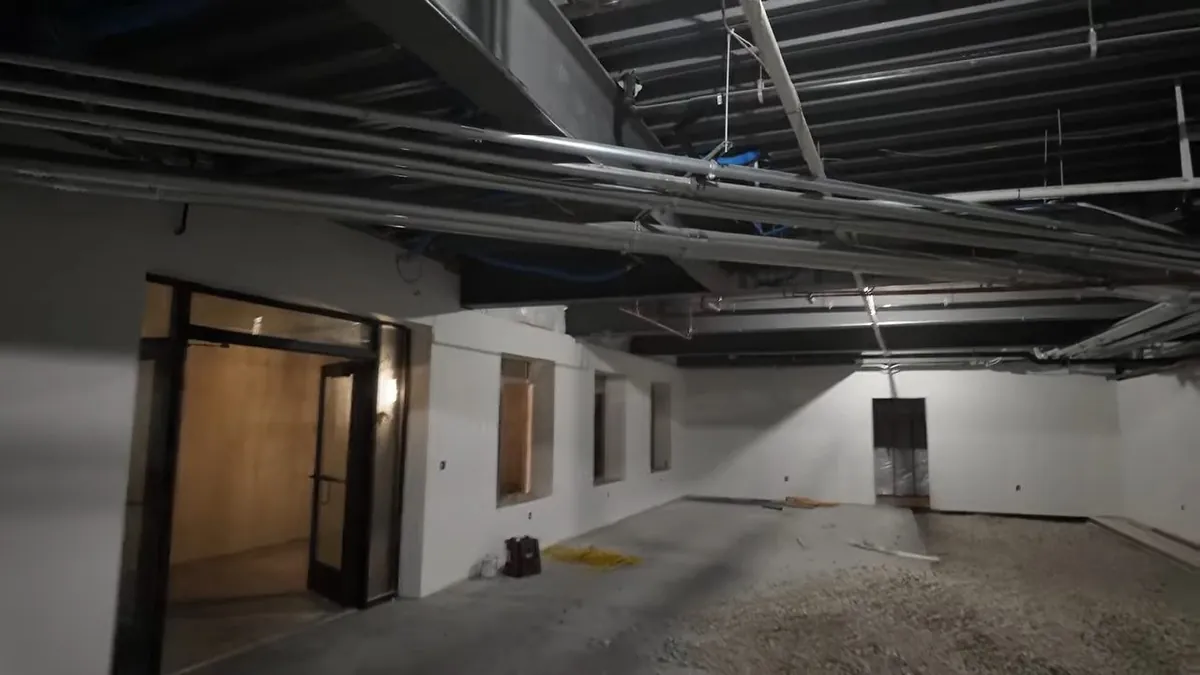
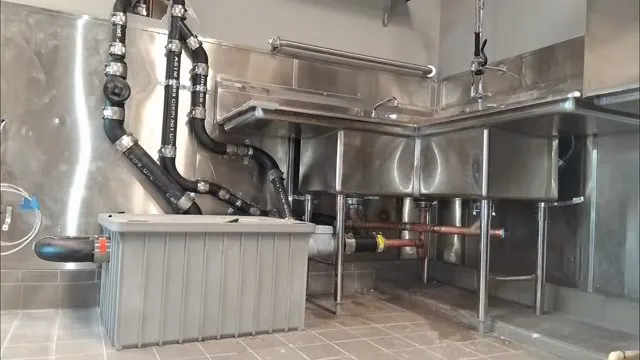
Kitchens put fats, oils and grease down drains all day. Aurora Water names them as a leading cause of sewer backups (Aurora Water on grease), and a kitchen line that is not cleaned on a schedule will back up on a busy night. Floor drains, prep sink drains and the line to a grease trap or interceptor are the places a plumber works. Commercial hydro jetting scours those kitchen lines, and commercial reverse osmosis or ice machine filtration systems protect equipment from scale.
- Know where the grease trap or interceptor is and who cleans it.
- Keep a record of cleaning dates for inspections.
- Do not pour grease or hot oil into floor drains.
- Tell the plumber what hours the kitchen is empty.
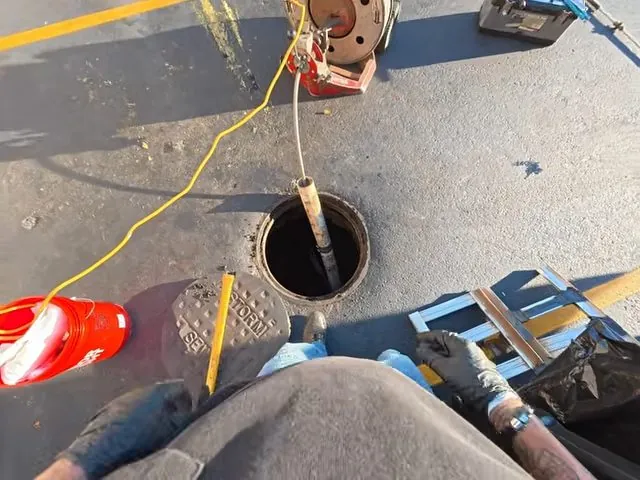
Commercial kitchen drain backing up? Call the dispatch line.
Call (303) 567-7524Maintenance contracts and scheduled service
A maintenance contract schedules drain cleaning, water heater flushing, valve checks and inspection of equipment with no backflow risk, such as sinks and fixtures. It turns emergency calls into scheduled visits. Ask what the contract covers, how often the plumber visits and what a call outside the schedule involves. Backflow testing is not offered through this site.
Apartments, multifamily and light industrial
A multifamily building has shared stacks and a main line, so one tenant’s clog can show up in a lower unit. A mechanical room with a row of water heaters and a recirculation loop is a different job from a single tank. Cold storage and light industrial spaces add floor drains and process water, which a plumber looks at when you describe the use.
Pipe, slab and sewer repair in a commercial building
A burst pipe above a ceiling, a slab leak under a retail floor or a sewer line failure under a lot calls for the same steps as a house: find the source, stop the water, repair and restore. The difference is access. A busy tenant space needs the plumber to schedule around opening hours and to isolate only the affected section.
Commercial underground drainage, including the sewer service line from the building to the city main, is the owner’s to maintain in Aurora, with the utility looking after the public main (Aurora Water, Wastewater). A camera inspection shows the condition before a lease is signed or a repair is scoped.
Restrooms, fixtures and flush valves
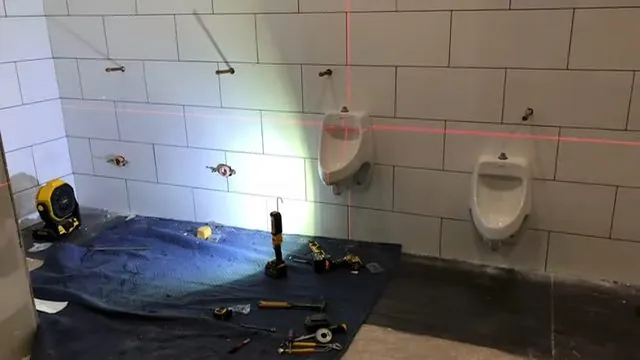
Commercial restrooms take heavy use, and the fixtures differ from a house. Many use flushometer valves, which flush with a burst of pressure and wear at the seals, and floor-mounted or wall-hung fixtures with carriers behind the wall. A fixture that runs or leaks wastes water and raises the bill the owner pays, so a repair is usually the first step.
Post an out-of-service sign on a fixture that cannot be used, and close its supply stop if it leaks. Tell the plumber the make and age of the fixture and whether the restroom must stay open during the visit.
Documenting a call for tenants, managers and insurers
A commercial loss often involves several people who were not there: the owner, a manager, a tenant and an insurer. A short record makes the next steps easier for all of them.
- The date, time and the part of the building affected.
- A photograph of the source and of any damage.
- What the plumber found to be the cause, and the repair made, in writing.
- Which tenants or units were affected and for how long.
- Invoices and any restoration records kept in one place.
Commercial permits, licensing and scheduling
Commercial work often needs a permit and an inspection. The Aurora Building Division answers permit questions at 303-739-7420 (commercial permit information), and its contractor lookup shows the credentials a company has filed (lookup tool). Ask who files the permit, what the schedule is and how your hours affect the work.
Water heaters for a commercial space
A commercial water heater may be a larger tank, a bank of units or a tankless system. The plumber sizes it to the fixtures that run together at peak, such as a kitchen and restrooms.
Ask about the recirculation loop and the venting for the space.
Emergency calls for a business
Say that it is a commercial call and give the address, the tenant contact and the access time.
Have the building shutoff location and any after-hours access instructions ready.
Also covered: leak detection and emergency calls
Leak detection in walls, ceilings and slabs follows the methods on the leak detection page. After-hours emergencies go straight to the dispatch line, staffed around the clock.
Residential commercial plumbing overlaps in mixed-use buildings, where a landlord may own both apartments and a storefront. Cold-storage plumbing for a restaurant or market adds floor drains and condensate lines to the usual list.