 Aurora CO Plumbers Den
One fixture or the whole house? How far the clog runs
Water backs up where the blockage is, so the pattern tells the story. A single slow sink or tub points to the branch line serving that fixture. Two or three fixtures on the same floor slowing together point to a shared branch or the stack. Every drain slowing, a toilet that bubbles when the washer drains, or water appearing in a basement floor drain points to the main line.
| What you see | Where the blockage probably is | Usual next step |
|---|---|---|
| One slow sink or tub | The branch line or trap for that fixture | Cable the branch; check the trap |
| Toilet clogged, others fine | The toilet’s own trap or short drain | Plunge, then auger; stop if water rises |
| Kitchen sink slow, grease in the line | Kitchen branch coated in grease | Cable, then hydro jet for the coating |
| Several fixtures on one floor | Shared branch or the stack | Cable from the nearest cleanout; camera if it returns |
| Basement floor drain bubbling or filling | The main line | Clear from the main cleanout and camera the line |
Snaking or hydro jetting: which clears it?
A cable, also called a snake or auger, bores through a blockage or hooks it. A rooter service uses a rotating cable with cutting heads, which is the usual tool for tree roots and thick buildup. It restores flow, but it leaves the pipe wall as it was.
Hydro jetting (also written hydrojetting) pushes water at high pressure through a hose with a nozzle and scours the wall. It suits grease coatings and scale, where a cable would punch a hole through the middle and leave the rest behind. It is not a cure for a pipe that has collapsed or cracked, which is why a plumber often cameras the line before or after.
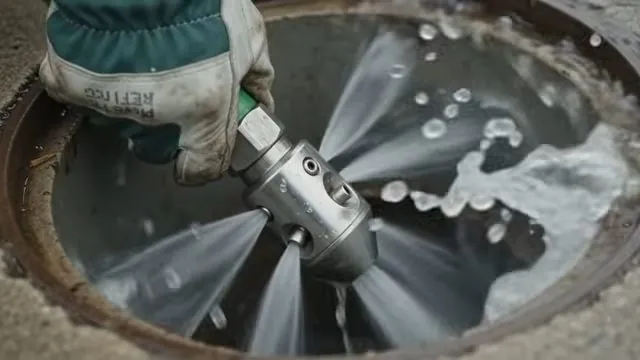
Ask which tool the plumber recommends and why. A clog that returns within weeks after cabling usually means something other than the clog: a coating the cable left, roots coming back or a damaged section.
Sink, tub or main line backing up? Call now.
Call (303) 567-7524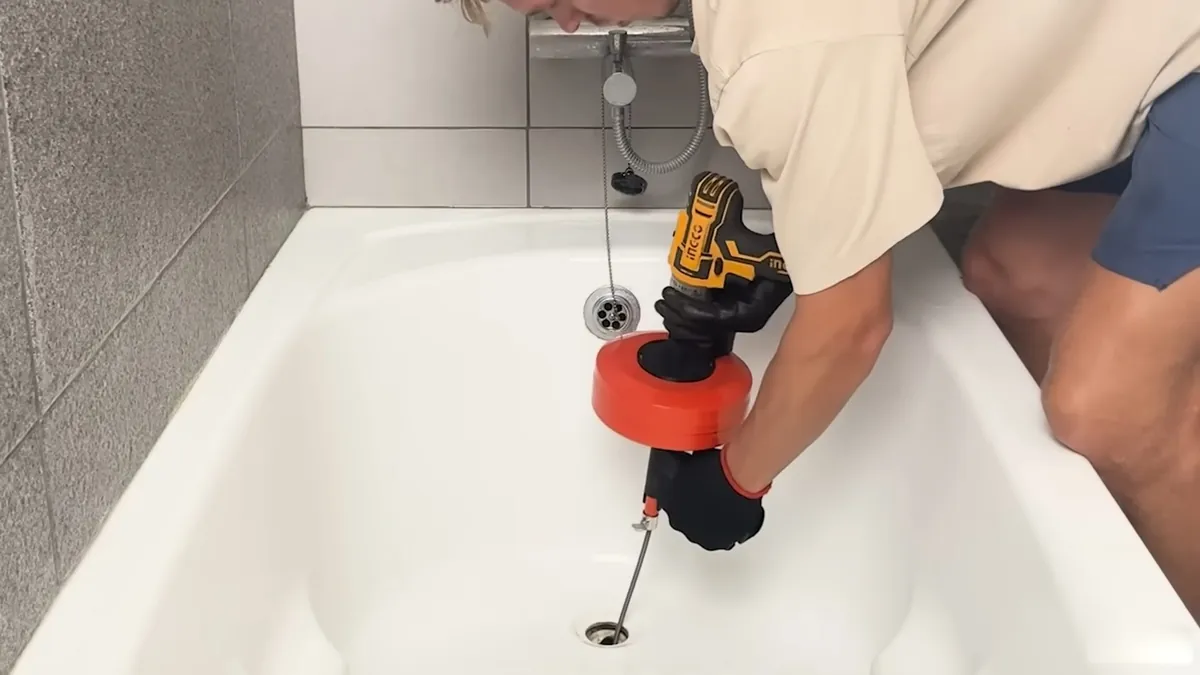
Old cast iron and clay: when the pipe, not the clog, is the problem
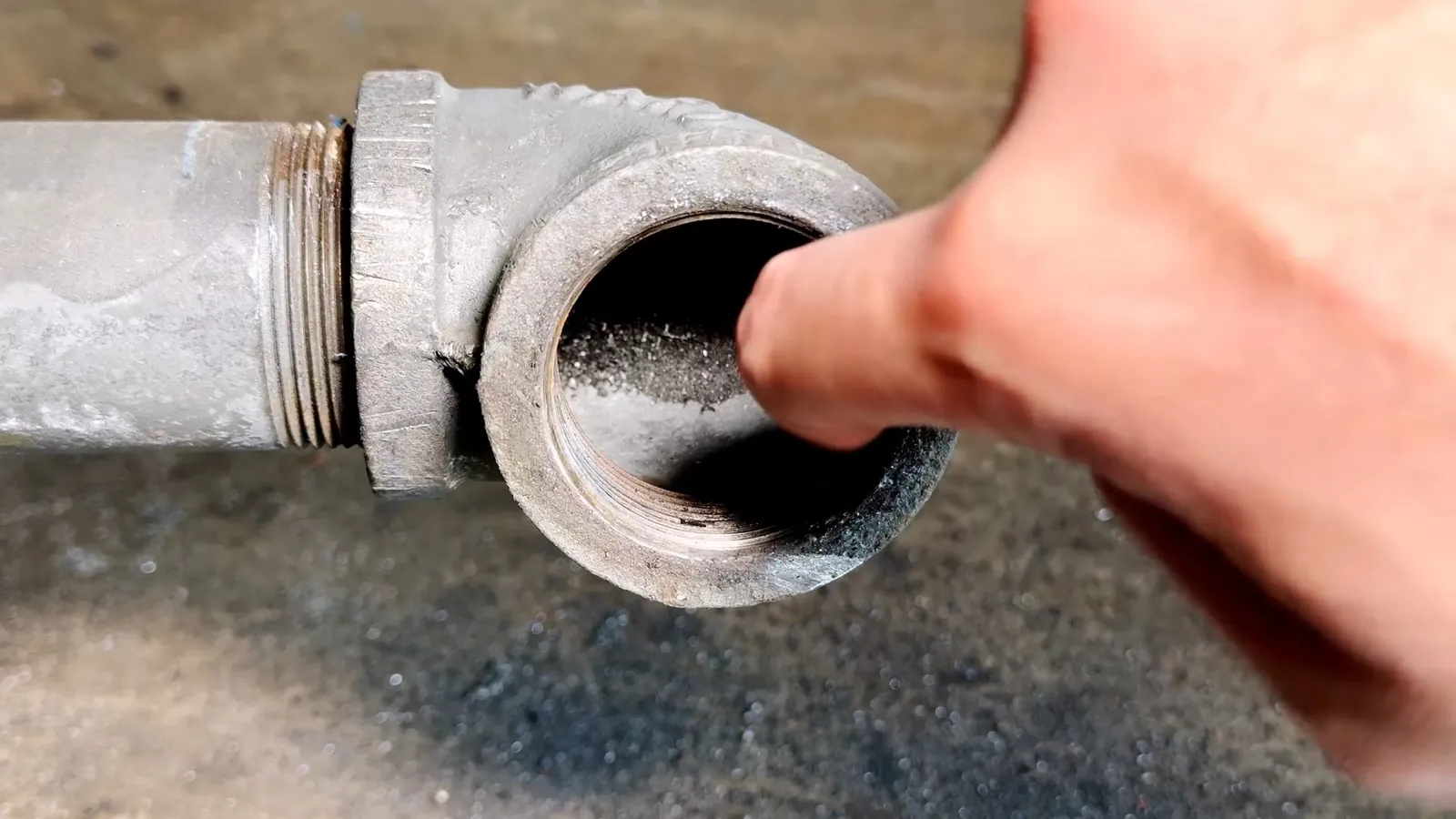
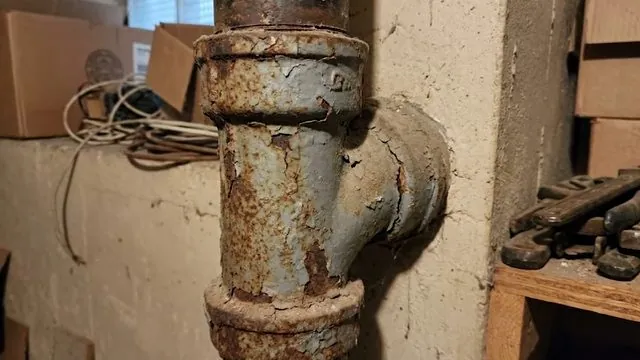
Older homes often have cast iron drain stacks and, farther out, clay or similar lines. Cast iron develops a rough, scaled interior that catches grease and paper. A plumber can clear it, but repeated clogs in the same line, a gurgle that never quite goes away or a sewer smell near a floor drain are reasons to ask for a camera inspection.
A camera shows cracks, offsets, sagging sections and roots. It also shows a leak in a drain line, which a clog alone would not reveal. That turns a repeating clog into a decision: keep clearing it, repair a section or replace the line. Aurora Water advises a plumber’s camera inspection for the sewer line (service line protection plan page).
When a clog is really a sewer problem
Aurora puts the pipe between the house and the city main on the owner, tap connection included, while the utility handles the main itself (Aurora Water, Wastewater). When water backs up in the lowest drain, a plumber is the first call. A blockage that turns out to sit in the main becomes the utility’s to clear.
Before a plumber rods a sewer line, the Call Before You Clear campaign, which Xcel Energy supports asks customers and plumbers to call the gas utility before clearing a sewer or septic line, because a gas line can, rarely, be bored through a sewer pipe. Ask the plumber whether a check is advisable for your property. The longer treatment of lateral repair is on the sewer backup page.
Sump and ejector pumps: the drain pump in a basement
A basement bathroom or laundry that sits below the sewer line often drains through an ejector pump, a pit with a pump that lifts waste up to the main drain. When that pump fails, the fixtures downstairs back up, which looks like a clog but is not one. A sump pump is a separate pump that moves groundwater, and it can fail for the same reasons: a stuck float, a clogged pit or a worn motor.
Tell the dispatcher which kind of pit you have and what happens when the fixtures run. The plumber checks the float, the check valve and the discharge line. Ask whether the repair is a replacement of the pump and what the discharge connection requires.
What not to pour, flush or try first
Aurora Water names wipes and fats, oils and grease as the common causes of backups, and it notes that wipes marked flushable do not break down in the sewer (Aurora Water on caring for your sewer line). Keep grease out of kitchen drains, wipe pans before washing and put only toilet paper in the toilet.
- Plunge a toilet or sink first; a plunger is safe and often enough.
- Use a drain tool or a hand auger on a bathroom sink or tub, and stop if it meets hard resistance.
- Skip chemical drain openers. They can sit in a standing line and splash on whoever opens the trap later.
- If water rises in a floor drain or the lowest tub, stop running water and call.
Other drains the same call covers
The same call covers kitchen and bath sinks, tub and shower drains, floor drains, tree-root clogs, yard and French drains and drain odors, and restaurant or commercial kitchen drains are routed to the business plumbing page.
Drain terms and what each one covers
Residential drain cleaning clears sinks, tubs, toilets and the main line, and drain cleaning and unclogging is the same service under two names. Drain cleaning and maintenance means scheduled cleaning of lines that clog often. Persistent drain odors despite cleaning point to a dry trap, a vent problem or a cracked line, so ask for a camera look. Storm drain cleaning in the street is the city’s job, not a household plumbing call. Drainage system installation covers new lines in a remodel or addition, and sump pumps and leaks in a basement are handled under the sump section above.
Drain cleaning questions
Who installs sump pumps, and does a plumber handle the drain side?
A plumber handles the pump, the check valve and the discharge connection when the pit is part of the house drainage. For a pit that only moves groundwater, ask the dispatcher whether the job suits a plumber in our network.
Say whether the pit takes toilet and laundry waste or only ground water, because that changes the equipment and the work.
A toilet and a tub are clogged. Does hydro jetting help, and what do I do now?
Try this first: 1. Stop using the fixtures. 2. Plunge the toilet once or twice. 3. If both fixtures share a line and neither clears, call.
Hydro jetting suits grease and scale in a line. It does not fix a break. A plumber usually cables first and cameras the line if the problem returns.
Who do I call for a drain clog?
Picture a kitchen sink that drains in a slow spiral and a bathroom that works fine. That is a branch clog, and a plumber in our network reached through the dispatch line can clear it.
If water backs up at the lowest drain in the house, say so on the call so the plumber brings the right equipment for a main line.
What should I do about a main line clog?
Stop running water in the house, because every drain feeds the same line. Do not flush.
Call the dispatch line and note where water appeared first. The plumber clears the line from the cleanout and, if the problem returns, runs a camera to see why. If the main in the street is blocked, that is Aurora Water’s to clear.