 Aurora CO Plumbers Den
Repair the pinhole, or repipe the house?
One failure on an otherwise sound line is a repair. Several failures, or a failure in a pipe material known for failing, point to a repipe. The pipe fails from the inside: acidic or mineral-rich water slowly eats copper, scale narrows galvanized steel and plastic ages. A plumber who repairs one pinhole cannot see the thinned metal around it, so a second leak can follow within months. Premature wear on plumbing components, such as pinholes in newer copper or brittle fittings, is a reason to ask what is causing it before repairing it.
- Two or more leaks in the same system within a couple of years.
- Brown or rust-colored water that clears after the tap runs, especially in the morning.
- Low pressure at several fixtures although the street pressure is normal.
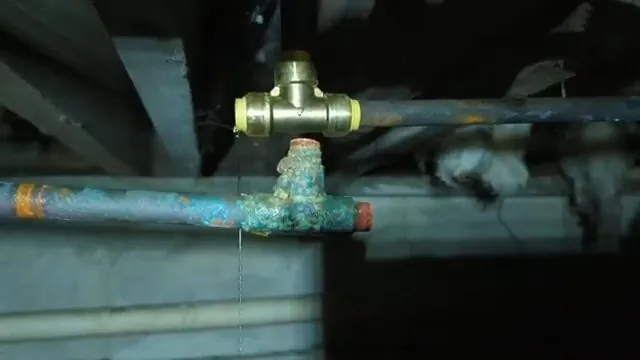
- Green or white crust on copper joints, or tiny beads of water on a pipe.
- Pipe material that is galvanized steel or polybutylene.
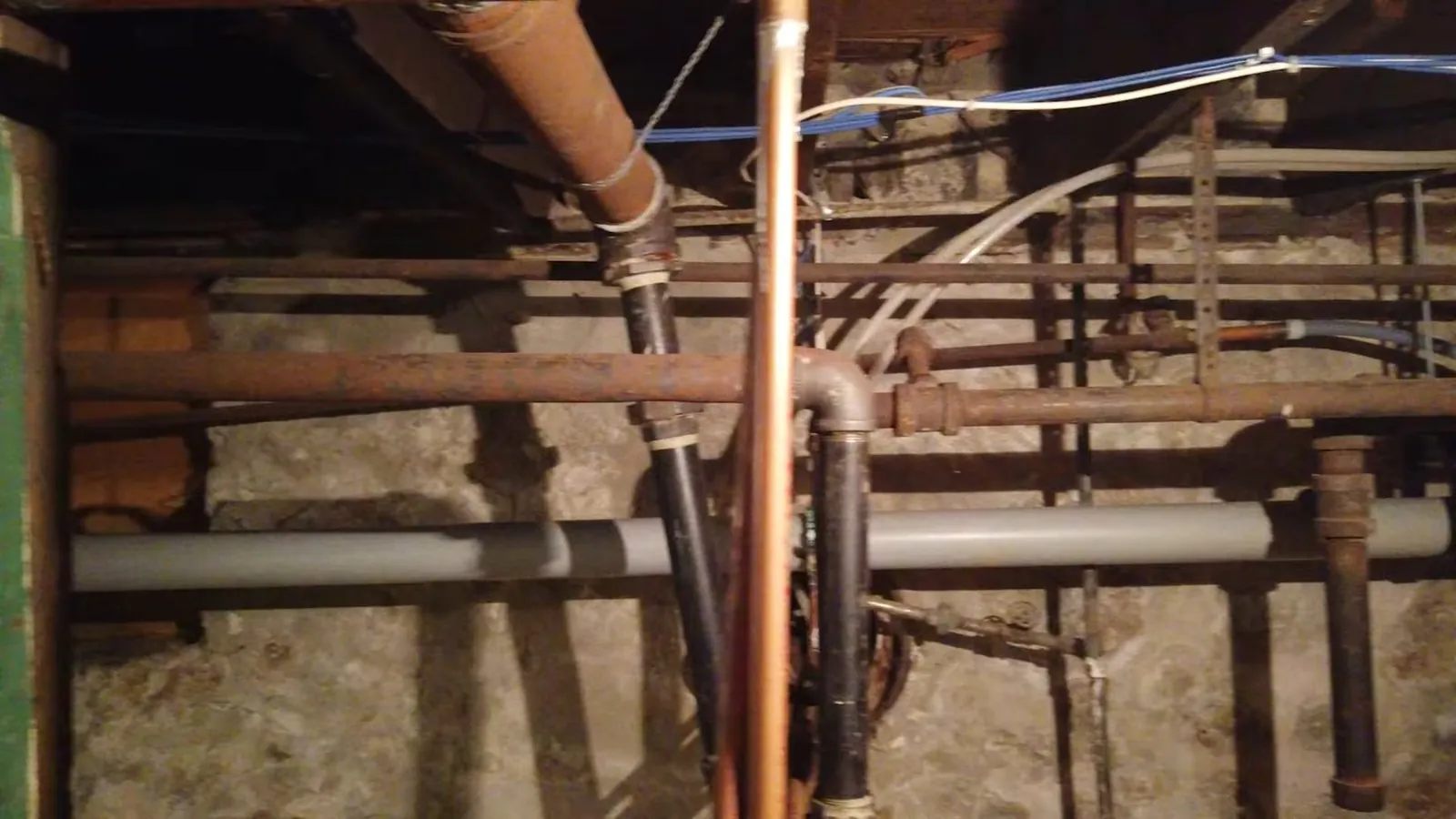
A repipe replaces the supply lines through the house, usually with PEX or copper, and leaves the drain lines alone. The plumber opens small sections of wall or runs lines through the attic or the basement ceiling, and patches afterward. Ask which approach the plumber proposes, how many openings it needs and who restores the drywall.
Galvanized pipe: how to tell and what it means
Galvanized steel supply pipe has a dull gray finish, threaded joints and a magnet that sticks to it. Copper is reddish-brown or green and a magnet does not stick. Plastic is white, cream or gray. A scratch test on an exposed section, done by the plumber, tells the material when the finish is painted over.
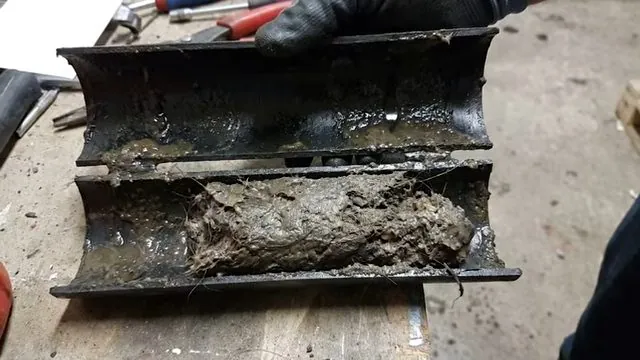
Galvanized pipe rusts from the inside. The first signs are brown water and falling pressure, because the bore narrows as rust builds. Aurora Water also publishes an address-level map of service line materials and runs a Lead Service Line Replacement Program, aimed at homes built in 1960 or earlier (Aurora Water lead program). The map’s categories are lead, galvanized, not lead and unknown. If your line is flagged, ask a plumber to confirm the pipe material in person. The water line repair page covers that line.
Copper: pinhole leaks and when repair makes sense
Copper is durable, but pinholes appear where water chemistry, velocity or flux residue wore through the wall. A single leak at a fitting can be repaired by cutting out the section and soldering or pressing in new pipe. Several pinholes along one run mean the run is failing, and the answer is to replace the run or the system.
Pinholes or a bursting pipe? Call the dispatch line.
Call (303) 567-7524A burst pipe: the first minutes
- Shut off the main water valve.
- Open a faucet at the lowest point to drain what is left, and open one at the highest to release pressure.
- Switch off power to wet areas only if you can reach the panel dry.
- Move belongings away and photograph the damage.
- Call the dispatch line. A plumber stops the leak, finds why it failed and tells you if it is a repair or a repipe.
Frozen pipes in Aurora
Frost depth in Aurora’s code is 36 inches (Aurora code 22-186), and Denver weather records from the National Weather Service show the first freeze arriving around October 7 on average and the last around May 5. The pipes that freeze are in outside walls, crawl spaces, garages and attics, and the line to a hose bib. A pipe that freezes can split without leaking until it thaws.
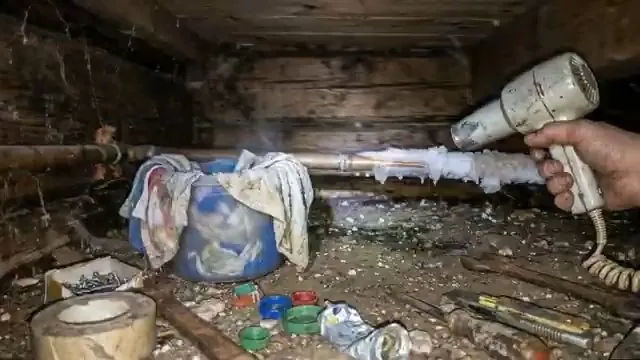
If water slows to a trickle in cold weather, open the faucet, warm the area with a hair dryer and call. Never use an open flame. After a freeze, ask the plumber to check every pipe in the same wall, not only the one that failed.
PEX, copper, cast iron and CPVC: the materials
| Material | Where it appears | Notes for a repipe |
|---|---|---|
| PEX | Modern supply lines | Flexible, runs through walls with fewer joints, common in repipes |
| Copper | Many homes of all eras | Durable, solders at joints, can pinhole in some water |
| Galvanized steel | Older homes | Rusts closed from inside; replace, do not patch |
| CPVC | Some newer homes | Rigid plastic, can become brittle with age |
| Cast iron | Drain lines in older homes | Drain pipe, not a supply pipe; covered under drain and sewer work |
Permits, licensing and a written scope
A repipe is large plumbing work and usually calls for a permit and an inspection. Aurora’s Building Division fields permit questions on 303-739-7420 (building permit information). Find out who files, how many walls open and what the scope covers. The City’s credential lookup lists what state licensing a company has on file.
Also covered: polybutylene, emergency calls and underground lines
Gray polybutylene pipe is a candidate for replacement in a repipe. Emergencies go to the dispatch line at any hour, and the first job is to shut the water off. Lines running under a slab or in the yard are located first, as described on the leak and slab pages.
Broken pipes, pipe breaks and when a repair is enough
A burst pipe fix is a repair, not a repipe, when only one section failed. Pipe break repair replaces the damaged length, and leaky pipe repair patches or swaps a short run. Broken leaking pipes in several places, old pipes prone to leaks, or recent pipe repairs that keep failing point toward repiping instead, because leaks and pipework problems that repeat tell you the system is wearing out. Ask if the plumber will specialize in repipe work on your house type, and if repiping specialists handle the wall repair afterward or leave it to you.
Repiping questions
How do I know if my house has galvanized pipes?
Brown water that clears after running, low pressure and a gray, threaded pipe that attracts a magnet are the signs. Look at the pipe where it enters the house or at the water heater.
If the finish is painted over, ask the plumber to scratch a small spot to see the metal. A house built before the late 1960s is more likely to have galvanized pipe, but the material can only be confirmed at the pipe.
Polybutylene pipe: repair it or replace it?
The first path is to repair a single leak and keep an eye on the rest. The second is to replace the polybutylene system, which removes the material known for failing at its fittings.
Choose replacement if the system has leaked more than once or if you plan to sell. The plumber confirms what is in the walls.
Can a copper pipe be repaired, or does it need replacing?
A single leak at a fitting can be repaired. Several pinholes along one run mean the run is failing and should be replaced.
Have the plumber point out the thin or crusted section and say if the rest of the run looks the same.
What do I do when a pipe bursts?
1. Shut off the main water valve. 2. Open a low faucet to drain the line. 3. Stay clear of water near outlets. 4. Photograph the damage. 5. Call the dispatch line.
The plumber stops the leak and tells you if the pipe needs a repair or a larger replacement.