 Aurora CO Plumbers Den
Gas or electric: what fails and what a repair looks like
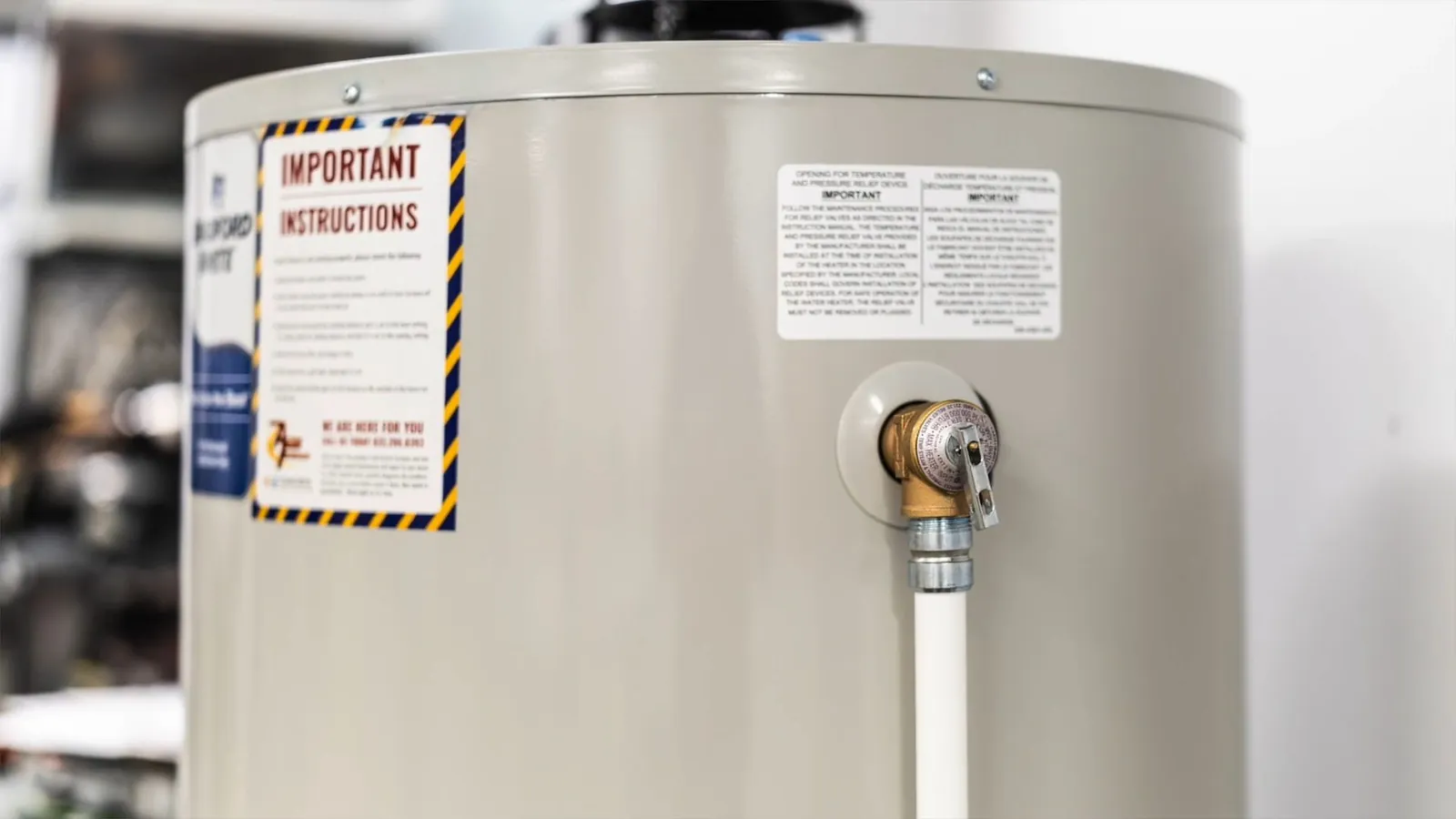
The two kinds of tank heater fail in different places, so the first question on a call is which one you have. A gas heater has a burner, a pilot or igniter, a thermocouple or flame sensor, a gas control valve and a vent. An electric heater has one or two heating elements, thermostats and a high-limit cutoff. Both have a tank, an anode rod, a drain valve and a temperature and pressure relief valve.
| Symptom | Gas tank, likely cause | Electric tank, likely cause |
|---|---|---|
| No hot water at all | Pilot or igniter out, flame sensor dirty, gas supply off | Tripped breaker, failed thermostat or high-limit switch |
| Warm but not hot | Dirty burner, failing control valve, sediment | One failed element, thermostat setting, sediment |
| Hot water runs out fast | Sediment layer on the tank floor, dip tube problem | Lower element failed, sediment |
| Popping or rumbling | Sediment baked under the burner | Scale on the elements |
| Water around the base | Loose fitting, relief valve discharge or a failed tank | Same; a failed tank cannot be repaired |
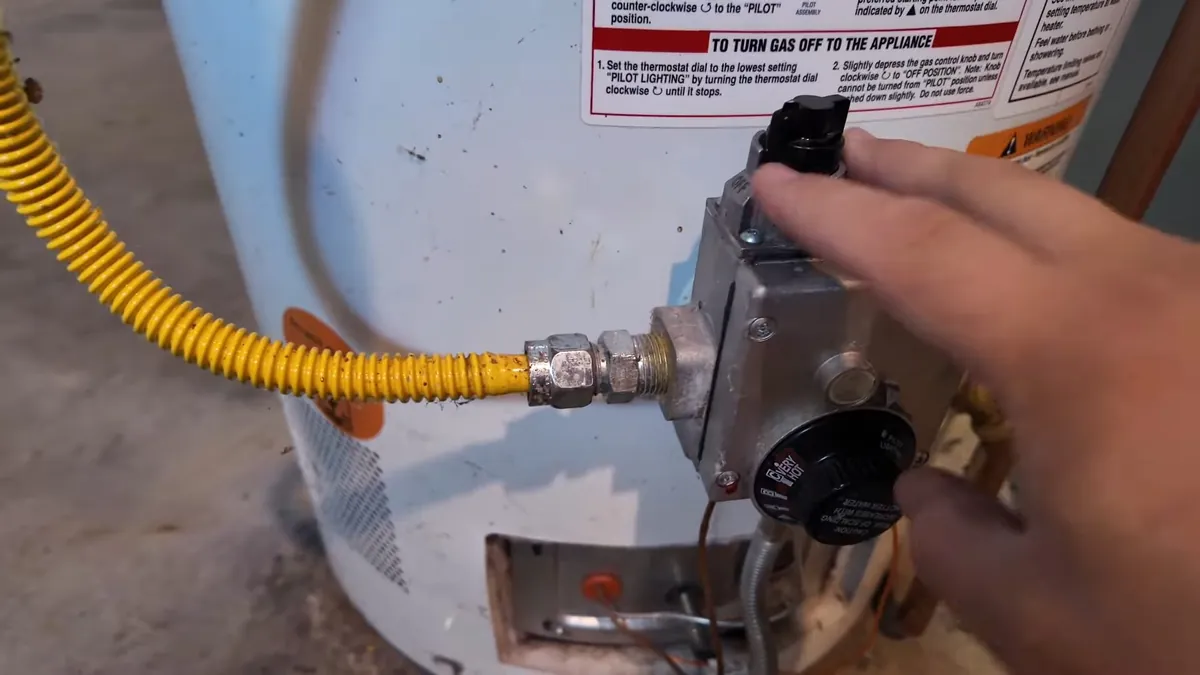
Pilot, igniter and burner problems are common on gas units and are often repairable. Thermostat and element problems are common on electric units and are usually inexpensive parts. A tank that leaks from the tank itself is another matter, because the steel has corroded through.
A leaking tank: repair, or replace?
Check where the water comes from before you decide. A leak at a pipe fitting, a drain valve or the relief valve discharge pipe is often a repair. Water that seeps from the jacket or pools around the base while every fitting is dry means the tank itself has failed, and the answer is a new heater. Shutting off the cold water supply to the tank and turning off its power or gas stops the damage until the plumber arrives.
As a rule of thumb, a tank of roughly a decade or older with a leak or repeated repairs is a candidate for replacement. Ask the plumber for the age of the unit, the cause of the failure and what the repair is expected to buy. The heater replacement page explains the choices.
Out of hot water or water on the floor? Call now.
Call (303) 567-7524Flushing, sediment and hard water
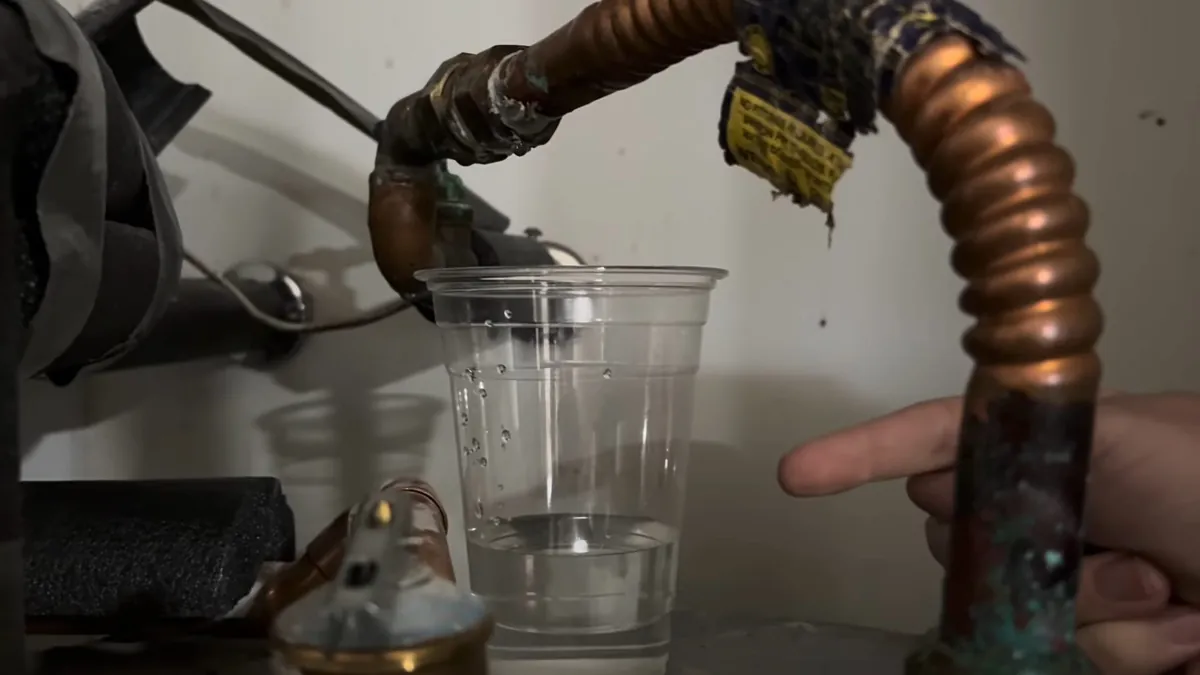
Minerals settle at the bottom of a tank and, in a gas heater, bake under the burner, causing popping noises and slower heating. Flushing the tank clears loose sediment, and the plumber can check the anode rod, which protects the tank from corrosion and wears out.
The utility’s 2026 Water Quality Report gives hardness of 136 ppm on average, about 8 grains per gallon, ranging from 87 to 198 ppm day to day (Aurora Water Water Quality Report). Water at that level is moderately hard, so expect some scale on a heater over the years. A flush schedule is sensible, and a softener is optional. The water filtration page sets out how to decide.
Who may repair or replace a water heater in Colorado
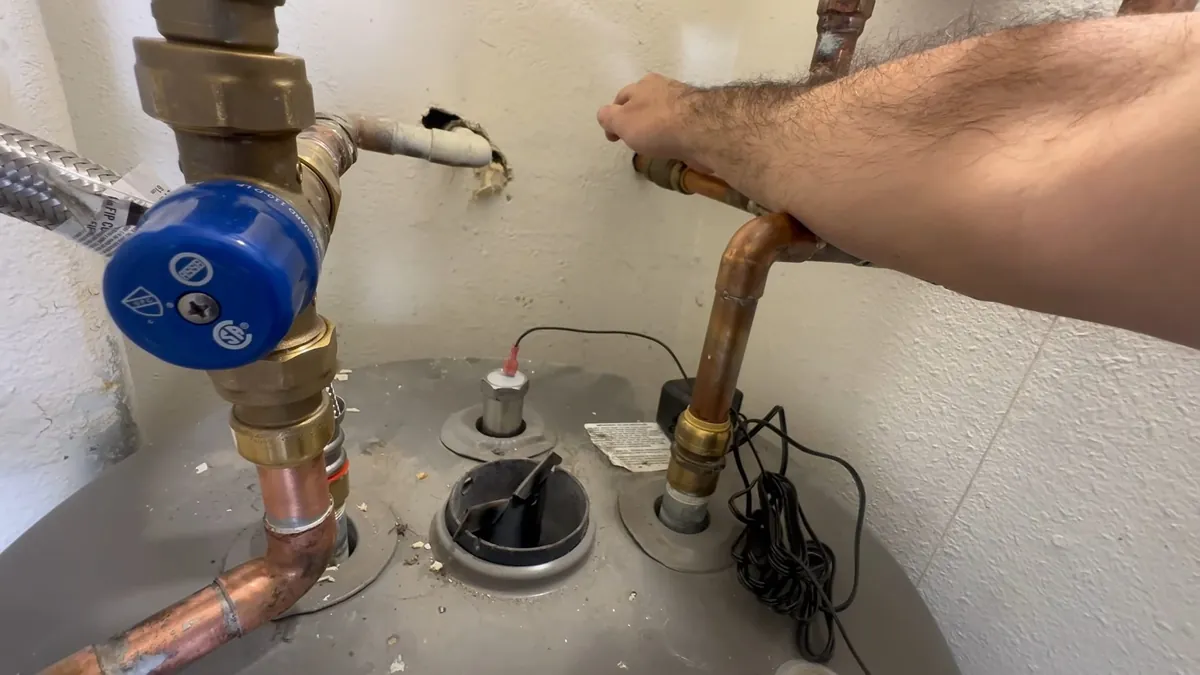
In a memo dated 2025-12-03, the Colorado State Plumbing Board said a domestic water heater must be installed or replaced by a licensed plumber who works for a registered plumbing company, followed by a permit and an inspection with the local authority (Colorado State Plumbing Board memo). A DORA addendum carves out owners working on their own occupied home, provided it is not up for sale, resale, flipping or rent (DORA addendum). Landlords and sellers need a licensed plumber.
The City leaves plumbing licensing to the state, but a contractor pulling permits there must have a master plumber license and registration on file, and the City lookup shows what a company holds. Ask for the license details before work starts.
Pilot lights, igniters, thermostats and elements
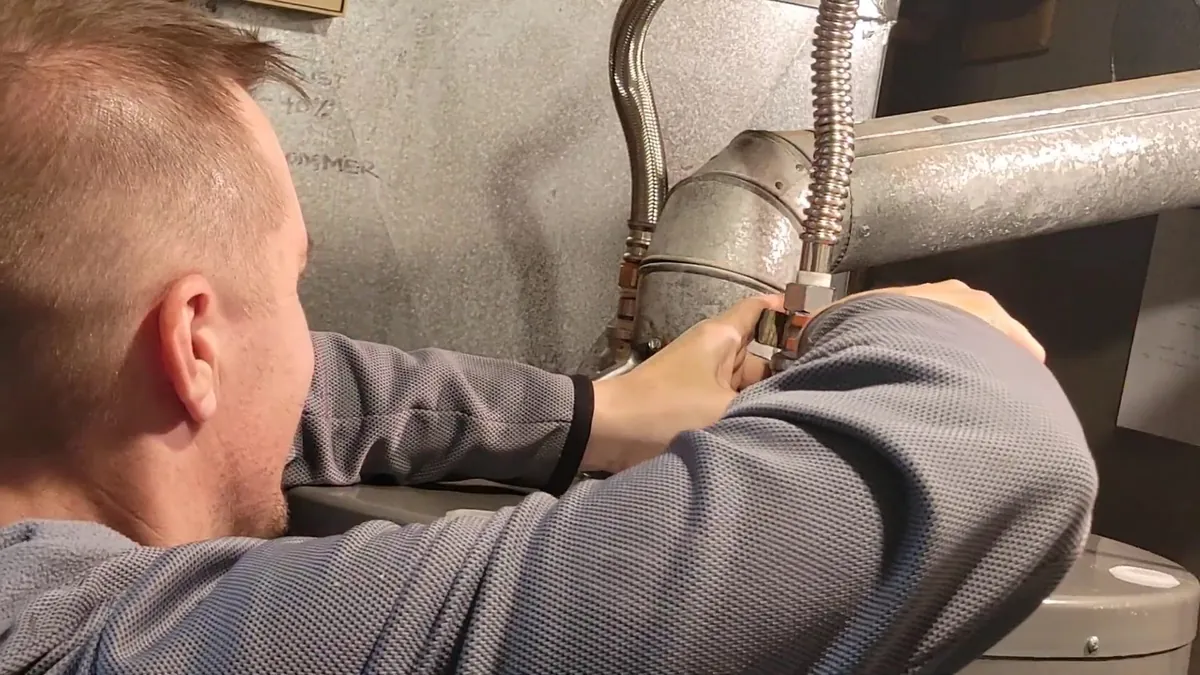
A pilot that keeps going out suggests a worn thermocouple or a draft in the vent. An igniter that clicks but does not light points to the igniter or the gas valve. On an electric unit, a dead heater with power at the panel points to a thermostat or high-limit switch, while lukewarm water often means one element has failed. Ask the plumber to show you the failed part and explain why it failed.
Also covered: no hot water, noise and same-day calls
The dispatcher can route a no-hot-water call or a noisy tank to a plumber in our network. Same-day service depends on the address and on who is available, so ask on the call.
Water heater maintenance, such as flushing the tank and checking the anode and relief valve, is the easiest way to avoid a repair call.
Water heater questions
What size water heater do I need if mine keeps running out of hot water?
If a family keeps running out, the heater may be too small, or sediment may have cut its usable volume. Check the label for the first-hour rating, which says how much hot water the unit delivers in its first hour.
The plumber sizes the unit to the number of people and the fixtures that run together, such as a shower and a dishwasher. A flush is worth doing before buying a larger tank.
Can someone come the same day for a water heater emergency?
It depends on the address and on who is available, so the dispatcher confirms before promising. A leaking tank is the case to flag: say it is leaking, and shut off the cold water supply to the tank and its power or gas.
Two choices if you cannot get same-day service: repair if the problem is a part, or replace if the tank itself has failed. The plumber tells you which.
How long do water heaters last in Aurora?
1. Tank heaters commonly last around a decade, less in hard water without flushing. 2. Aurora Water’s hardness is moderate, so flushing helps. 3. Signs the end is near: rust-colored water, a leak at the base, rumbling noise, a heater that cannot keep up.
If a heater is near its expected life and a repair is large, replacement is usually the better use of money.