 Aurora CO Plumbers Den
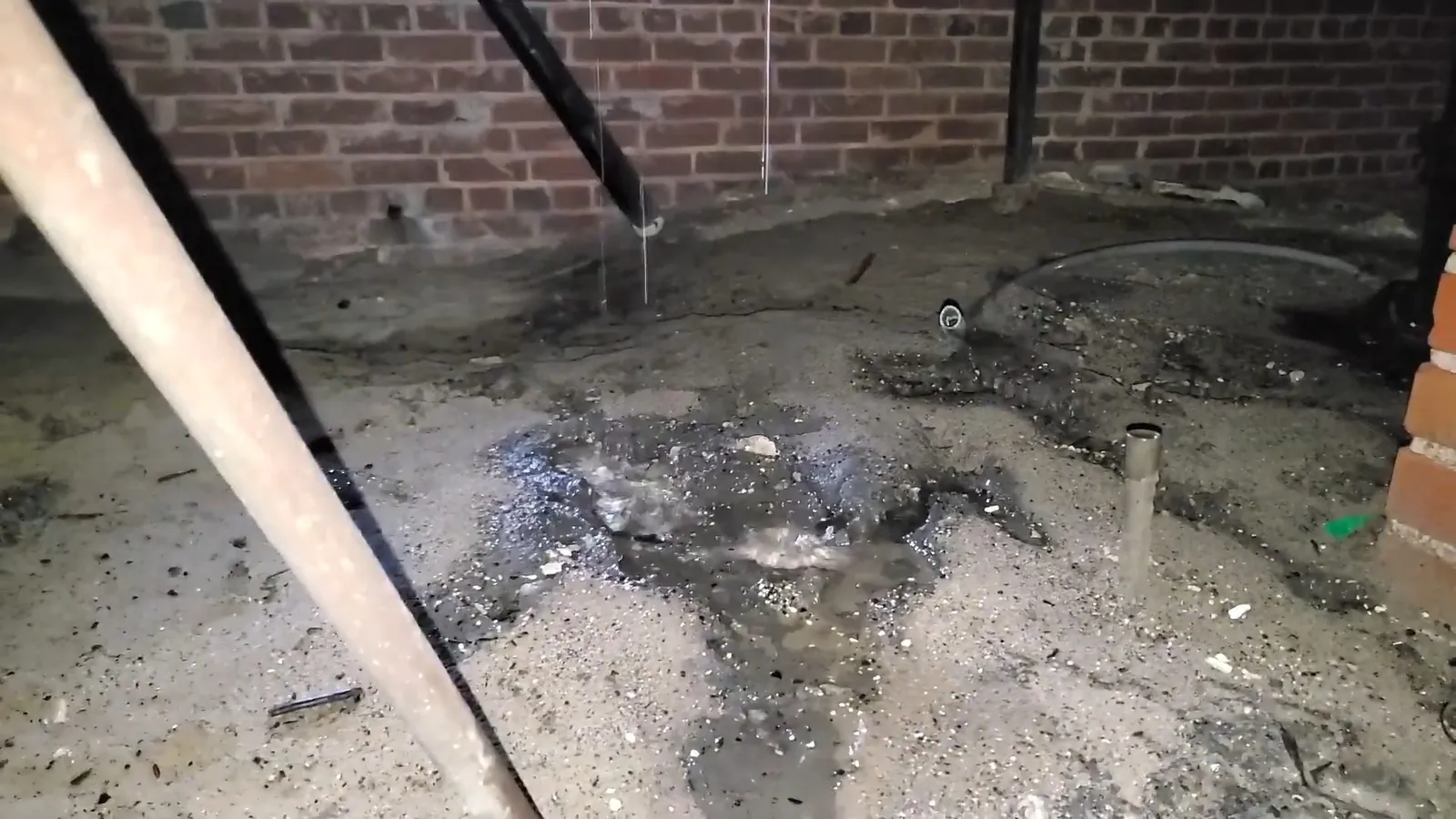
The first hour: stop the water and stay safe
Water damage grows by the hour. Wet drywall, insulation and carpet pad begin to degrade quickly and mold can start to grow, so the first steps matter more than any later work.
- Stop the source: close the main water valve for a plumbing leak.
- Stay out of rooms where water has reached outlets, light fixtures or a ceiling that sags.
- Cut power to wet rooms at the breaker only if you can get to the panel without standing in water.
- Photograph and video everything before moving it, for any insurance claim.
- Lift small items and furniture off wet floors, and call.
Water extraction, drying equipment and how a job runs
Water mitigation, the work of limiting the loss, follows a set order. A technician assesses the loss, finds the source and the moisture, extracts standing water, removes materials that cannot be dried, sets drying equipment and checks progress until the structure reads dry.
| Stage | What happens | Why it matters |
|---|---|---|
| Assessment | Source found, moisture mapped, water category noted | Sets the plan and the scope for insurance |
| Extraction | Standing water removed with pumps and wet-vacs | Removes most of the water fastest |
| Removal | Wet carpet pad, soaked insulation and drywall that cannot dry removed | Prevents trapped moisture and odor |
| Drying | Air movers and dehumidifiers run for days | Dries structure, not only the surface |
| Monitoring | Moisture readings repeated until dry | Proves the structure is dry before rebuilding |
Air movers push dry air across wet surfaces, and dehumidifiers pull the moisture from the air. Equipment that is moved or turned off early leaves moisture in walls. Ask the technician for the moisture readings at the start and end of the job, and keep them with your insurance file.
Need immediate water damage assistance? Call the water damage line.
Call (720) 715-9391Burst pipe and plumbing leak damage
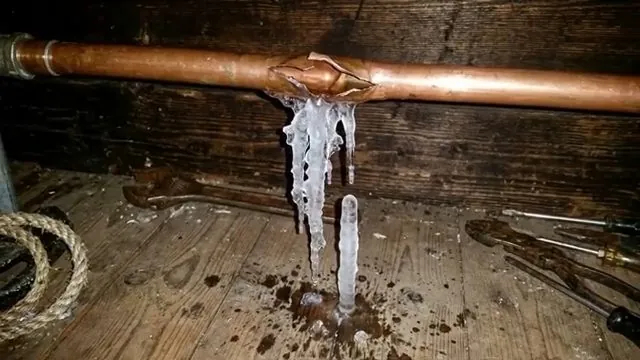
Damage from a plumbing leak has a plumbing half and a restoration half. The leak has to be found and stopped, and the damage has to be dried. The leak page explains how a plumber traces the source, and the drying work follows. Skipping the repair and drying only means the damage returns.
Sewage backup cleanup
A sewage backup brings contaminated water into the house. The plumber clears the line first. Cleanup follows: removal of porous materials the water touched, cleaning and disinfecting of hard surfaces and drying. In Aurora the owner is responsible for the sewer service line from the house to the city main, and Aurora Water takes care of the public main (Aurora Water, Wastewater). The sewer backup page covers who fixes what.
Flooded basement, crawl space and whole-house flooding
Basements flood from plumbing failures, from groundwater and from storms. A basement is also where a sump or ejector pump can fail, which looks like a flood. Aurora’s code asks for a 5 percent slope away from a building for the first ten feet where practical (Aurora code 22-539), and when water enters through a wall or floor and not from a pipe, grading and drainage are the question, not plumbing.
Storm and river flooding is a different category of loss. Insurance for flood damage is often separate from a standard homeowner policy, so ask your insurer before cleanup. Photograph first.
Damage assessment and major loss inspection
For a larger loss, a written assessment lists the source, the areas affected, the materials removed and the readings. A vacant property, a rental or a condo with a loss that spreads to neighbors calls for a major loss inspection, with photographs and moisture maps for the owner, the manager and the insurer.
Mold testing, inspection and assessment
Mold needs moisture, and it can begin within a day or two in the right conditions. If a musty odor persists after drying, if you see growth or if a loss sat for days, testing and inspection show where it is and how far it has spread. A suspected mold smell with no visible growth, such as under basement stairs, is a reason to inspect behind finishes.
Mold remediation and removal
Remediation removes the growth and the materials it has contaminated and corrects the moisture that fed it. Small patches on hard surfaces can be cleaned. Growth in drywall, insulation or carpet pad is usually removed, because surface cleaning does not reach the inside. Mold on outdoor timber, such as a pavilion, and bird-dropping cleanup are treated as cleaning jobs, not moisture repairs. A cleanup that does not fix the water source will fail, so the plumber and the restoration work are one plan.
Smoke, fire and odor damage
Fire often brings water damage too, from the fire department. After the building is cleared for entry, the work is the same sequence: remove wet material, dry the structure and address smoke residue and odor. Odor work can include cleaning, sealing and air treatment, and the technician explains what each step does.
Roofs, ceilings, air conditioners and irrigation as the source
Not every wet ceiling is a plumbing leak. A roof leak, a condensate line from an air conditioner, an irrigation line or a window can all cause it. A closet with mold from an AC unit, a hardwood floor cupped by a condensate line and a carpet soaked from a neighbor’s sprinkler are examples. The restoration work is the same, and the source is fixed by the right trade.
What do clean, gray and black water mean?
Restoration crews sort water by how contaminated it is. Clean water comes from a supply line or a tap. Gray water carries some contamination, such as washing machine or dishwasher overflow. Black water includes sewage and flood water.
The category affects what can be kept: porous materials that touched black water are removed, not dried.
When does a loss count as a major loss?
A loss that spreads through several rooms, reaches neighboring units, sits in a vacant property or runs into days of drying is treated as a major loss.
Ask for a written assessment, because insurers ask for one.
Insurance claims and loss documentation
- Photographs and video before and after cleanup.
- The list of what was removed, with room and material.
- Moisture readings at the start and end of the job.
- The plumber’s written finding of the cause.
- Invoices for repair and restoration kept together.
Insurers differ on what they cover. Read your policy, call early and ask before throwing anything away. Condo, apartment and commercial properties add questions about who owns the damaged part, the owner or the association, which the manager and the insurer settle.
Flooring, carpet and what drying cannot save
Carpet can often be dried if it is lifted quickly and the water was clean. Pad is usually removed. Hardwood that cups or buckles may need replacement. Basement waterproofing and a foundation inspection are separate from drying, and a plumber or contractor assesses them after the loss.
Aurora’s flood rules require plumbing equipment in new residential construction in flood zones to sit two feet above base flood elevation (Aurora code 70-31). That is a rule for new construction, not a rule about your existing home.
Leaks, mold and odors behind water damage
Water damage from leaks is rarely a single event. Frequent leaks, persistent leaks and hidden leaks causing water damage often show up as stains first, while leaking pipes and leaky pipes causing water damage can soak insulation for weeks. Slab leaks causing water damage lift floors, and an ice dam water damage claim starts on a roof edge in winter. Leaks and water damage together usually mean mold growth due to leaks, and water leaks causing hidden mold may only be noticed through odors from water damage; unpleasant odors after water damage or from water damage that persist after drying mean something is still wet.
The extent of the water damage and the water damage type, clean, gray or black, decide the plan. Emergency water extraction after a bathroom leak or a collapsed ceiling comes first, which stops ongoing water damage. Mold cleanup after a leak under a bathroom sink is smaller than a whole room, and a mold remediation process overview starts with containment, drying and testing. The benefits of mold remediation are a dry, clean structure and an air test that confirms it.