 Aurora CO Plumbers Den
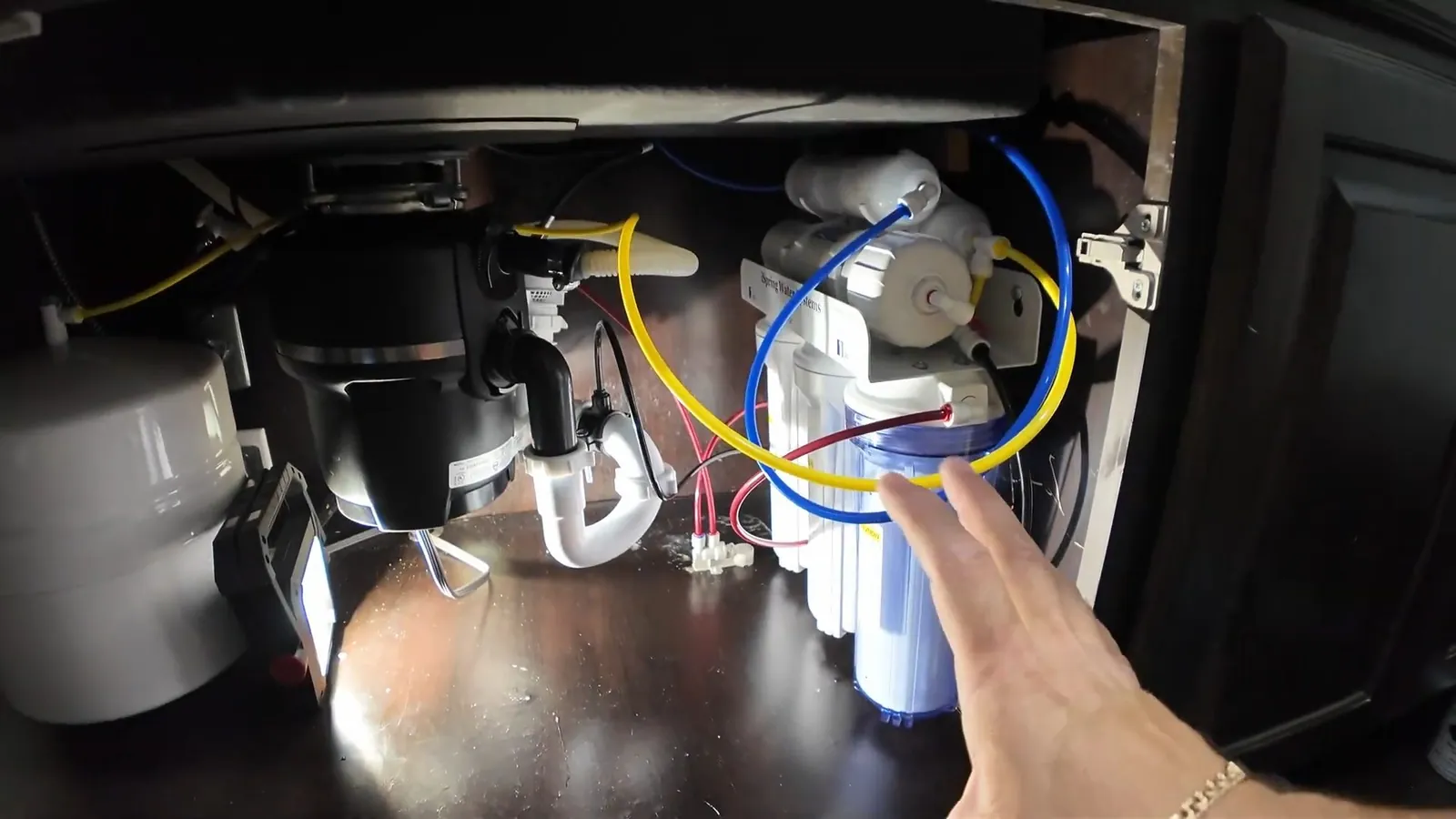
Humming, jammed or dead: what is the disposal telling you?
| What it does | Likely cause | What to try or call about |
|---|---|---|
| Hums, will not spin | Jam: bone, peel, a utensil | Clear it with the hex wrench, then press reset |
| Silent, no hum | Tripped reset, a switch, or no power | Reset, check the breaker, then call |
| Spins, then stops | Overload or worn motor | Reset once; call if it repeats |
| Leaks at the bottom | Seal or housing failure | Replace the unit |
| Backs up into the other sink basin | Clog past the disposal | Drain cleaning, not a disposal repair |
A humming disposal is a stuck motor. Do now: switch off the wall switch and, if the unit is plugged in, unplug it. Never put a hand in the disposal. Look in the bottom for the hex socket, insert the wrench the unit came with, and work it back and forth until it turns freely. Then press the red reset button and test with water running.
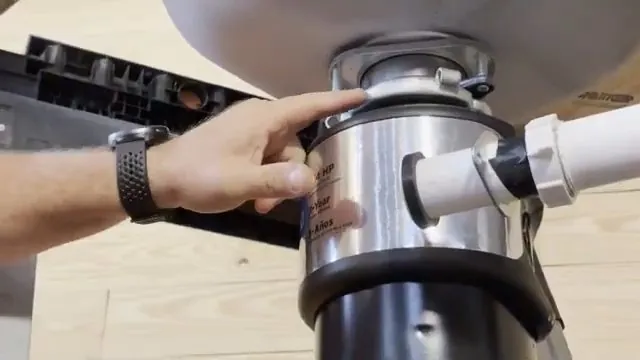
A jam that frees but returns, a disposal that cannot be freed, or one that trips the reset again soon after points to a worn motor or a damaged grinding ring. At that point a plumber replaces the unit. Ask whether the existing mounting hardware can be reused.
Is the leak the disposal, the sink or the drain?
Three places leak under a kitchen sink with a disposal: the flange where the sink meets the unit, the dishwasher inlet and drain connection on the side, and the outlet pipe to the trap. Dry the area, run water only in the sink, then run the dishwasher, and watch where water appears. The location tells the repair.
- Top flange: the putty or gasket has failed and the mounting ring is reseated.
- Dishwasher inlet: a loose hose clamp or cracked fitting, an inexpensive repair.
- Outlet pipe: a loose or worn gasket at the drain connection.
- Housing or bottom: the seal inside has failed; the unit is replaced.
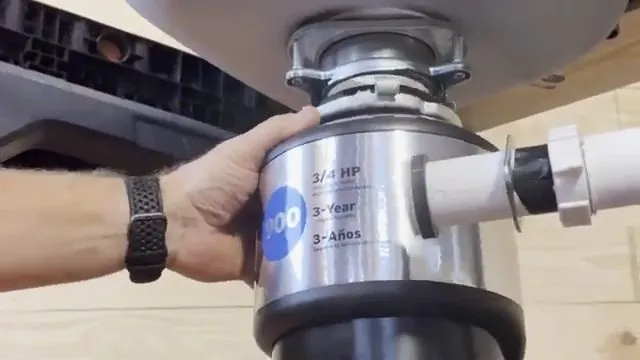
A leaking housing is the case that decides repair against replacement, because the seal cannot be fixed from the outside. A unit that has leaked from its body also may have water damage to the cabinet floor; if it has, water damage covers drying the cabinet and floor.
Disposal leaking onto the cabinet floor? Call the dispatch line.
Call (303) 567-7524Clogged or backed up: the disposal, or the drain?
If water rises in the sink and drains slowly even when the unit runs, the clog may sit beyond the disposal. Fats, oils and grease are a leading cause of backups in Aurora, and Aurora Water says so directly (Aurora Water on grease and wipes). Grease sticks to the pipe walls beyond the disposal and builds up.
Run cold water while grinding and for 15 seconds after. Skip grease, coffee grounds in quantity, stringy vegetables, pasta and rice, which swell, and fruit pits. A plumber cables the drain when the blockage is farther along, and the blocked drain page shows how far a blockage can run.
Installing or replacing a disposal
Replacement is a straightforward plumbing and electrical job when the new unit fits the old mounting. Three choices shape it. Motor size: a larger motor handles more waste but costs more and needs more cabinet room. Mount type: a quick-lock mount makes replacement easy. Power: some units plug into an outlet under the sink, and others are wired directly to a switch.
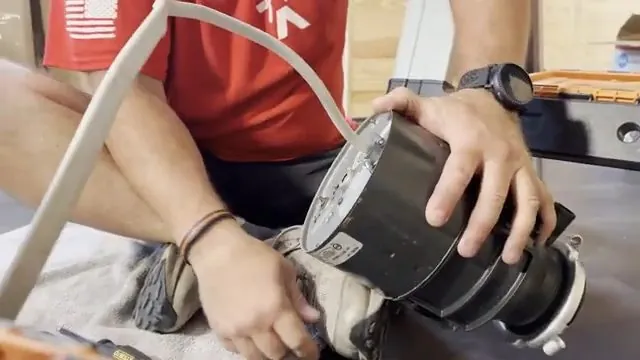
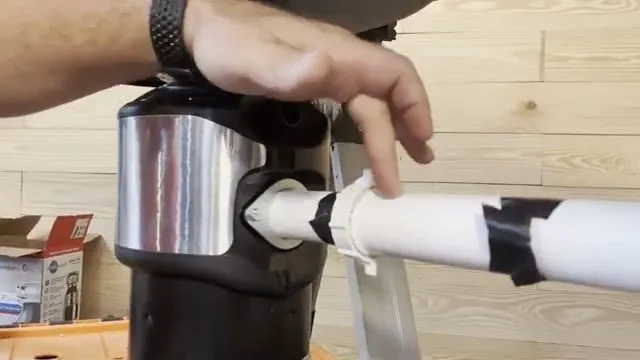
A new installation begins at the sink flange and ends at the trap. If a dishwasher connects to the unit, a knockout plug in the new disposal’s inlet has to be removed first, or the dishwasher will not drain. Skipping that step is the most common reason a freshly installed dishwasher leaves standing water. Ask the plumber to confirm it.
Dishwasher connection and drain
A dishwasher drains into the disposal or into a branch of the sink drain, through a hose that loops high under the counter or runs to an air gap. If the dishwasher leaves standing water, check the hose, the inlet knockout and the loop. A disposal clogged with food scraps can also block a dishwasher drain.
Restaurant kitchens use disposals heavily, and a kitchen with grease in its lines should read the restaurant plumbing page.
If a disposal hums and doesn’t turn, the motor is running against a jam; to fix a garbage disposal that hums, cut power first and clear the jam as shown above.
Garbage disposal questions
Why is my garbage disposal humming but not spinning?
1. Switch off the wall switch and unplug the unit. 2. Insert the hex wrench into the socket at the bottom and turn it back and forth. 3. Remove anything you can see with tongs. 4. Press the red reset button. 5. Restore power and run water.
If it hums again, the motor or the grinding ring is worn and the unit needs replacing.
Do I need a plumber for garbage disposal repair?
Picture a unit that has jammed on a peach pit. Most owners clear it with the hex wrench and the reset button. A plumber is the call for a leak, a unit that will not reset, a dishwasher that stops draining after a repair or a wired unit.
Replacement involves plumbing and, for wired units, electrical work, so a plumber is the safe choice.
My garbage disposal is jammed and stuck. What now, and what can wait?
Do now: switch off power, clear the jam with the hex wrench and reset. Run water to check for leaks.
Can wait: a faint hum with the unit otherwise working, or a smell. Clean it by grinding ice and citrus peel. Call if water leaks or the unit trips the reset repeatedly.