 Aurora CO Plumbers Den
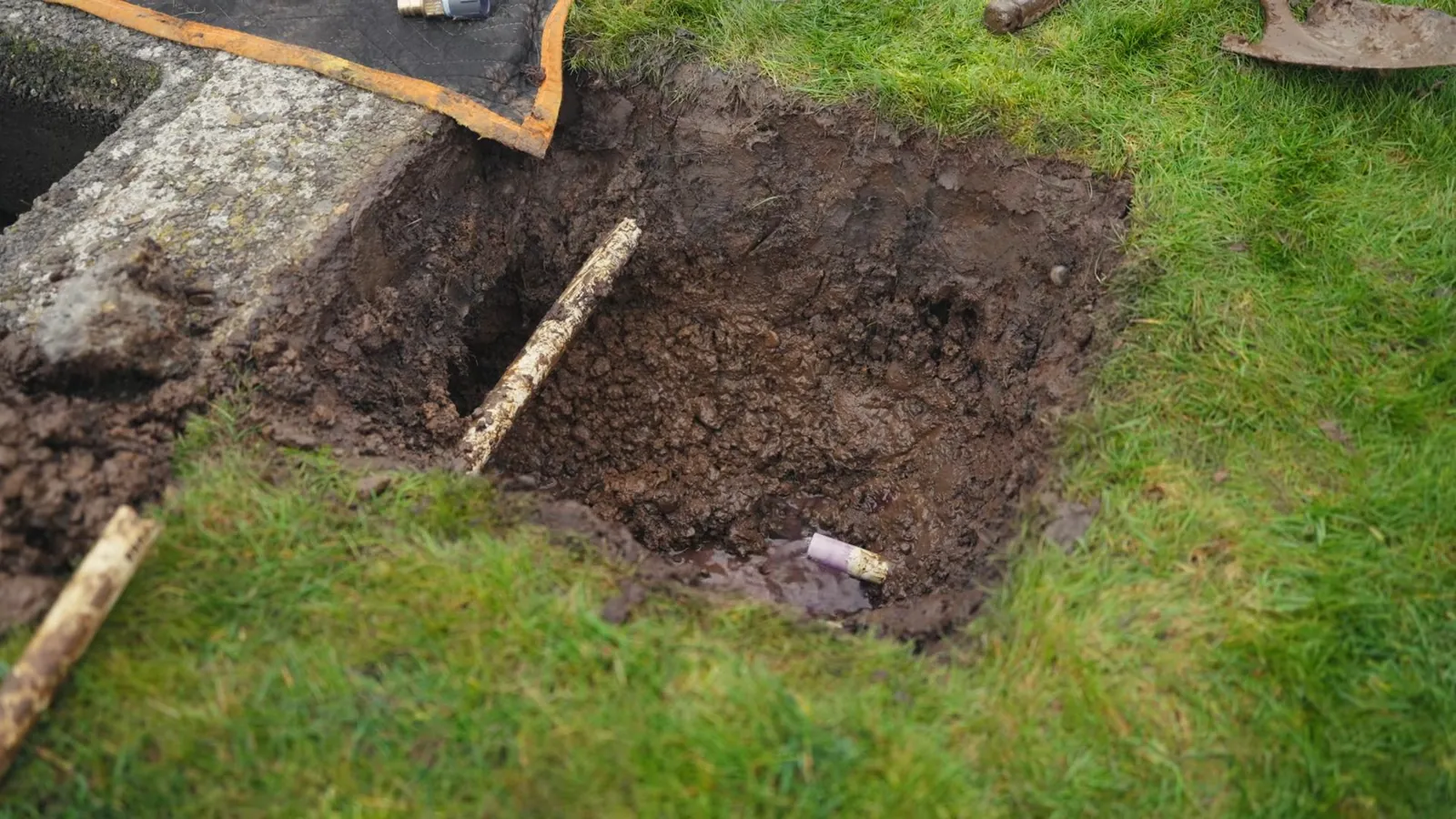
Before the meter or after it? Locating a water line leak
A water line runs from the water main in the street, through a meter, to the house. A leak can sit before the meter, between the meter and the house or inside the house, and the answer decides who fixes it and how much digging follows. The meter itself is the first instrument.
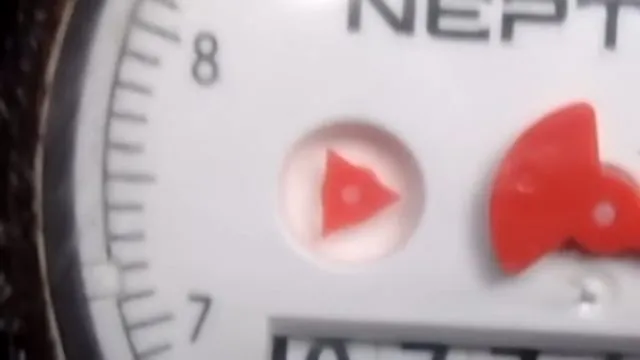
- Close every tap and stop appliances that use water.
- Read the meter, then wait 30 minutes and read it again.
- If it moved, shut the main valve inside the house and take a third reading.
- If it still moves with the valve closed, the leak is between the meter and the valve, which usually means the buried service line.
- If it stops, the leak is inside the house; see the leak detection page.
Signs of a buried line leak include a soggy or unusually green patch in the yard, a sudden drop in pressure, water at the foundation and a bill that rises with no change in use. A plumber confirms the spot with listening equipment before any trench is opened.
Where the utility’s responsibility for the water service line ends is a question for Aurora Water. Call it before assuming either way. The owner holds the Aurora Water account, so a landlord facing a bill that jumps without explanation should run this test first (Aurora Water landlord page).
Repair a section or replace the line?
A section repair fits a single break in a line that is otherwise sound: the plumber digs at the leak, cuts out the damaged pipe and joins new pipe. Replacement fits a line that has leaked more than once, is made of material that has failed or runs where repeated digging would be costly.
| Situation | Usual path | Why |
|---|---|---|
| One break, line otherwise sound | Section repair | Opens one spot in the yard |
| Second leak on the same line | Replace the line | The pipe along the run is likely aging |
| Galvanized or lead service line | Replace the line | The material is the problem, not the leak |
| Line under a driveway or slab | Trenchless or reroute, if the plumber finds it suitable | Avoids cutting hardscape where possible |
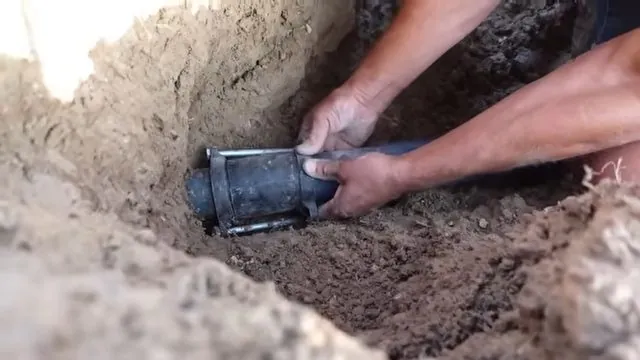
Suspect a leak in the line to your house? Call the dispatch line.
Call (303) 567-7524Lead and galvanized lines: the Aurora Water program
Aurora Water publishes a map of service line materials by address, with four categories: lead, galvanized, not lead and unknown. In Colorado, properties built in 1960 or earlier sometimes have lead or galvanized service lines, and Aurora Water has reported more than 5,000 lines marked unknown. It runs a Lead Service Line Replacement Program that asks owners to sign a consent form before it replaces a line it has confirmed. An owner may opt out and hire a licensed plumber instead (Aurora Water Lead Service Line Replacement Program).
Read the form before signing, and have a plumber confirm what the pipe is made of by looking at it. If you hire a plumber, ask whether the work includes the connection at the meter and the pipe inside the house. Water service lines cannot be videotaped the way a sewer line can, so identification is by inspection at an exposed section.
Digging: 811 and the private locator
Every dig begins with 811. The state service marks public utilities only, so a private water or sewer line calls for a private locator as a separate step (Colorado 811). Its own pages give the wait in business days and do not agree on the number; confirm the timing with the plumber.
Pressure, regulators and shutoff valves
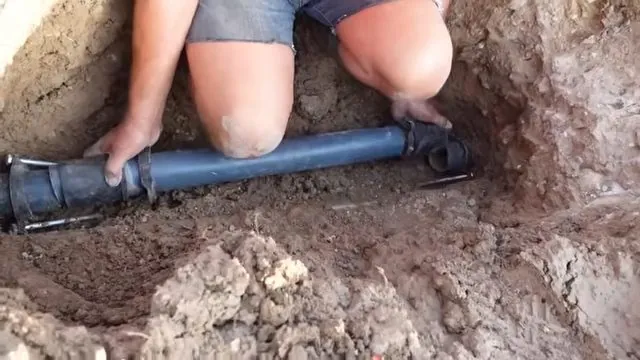
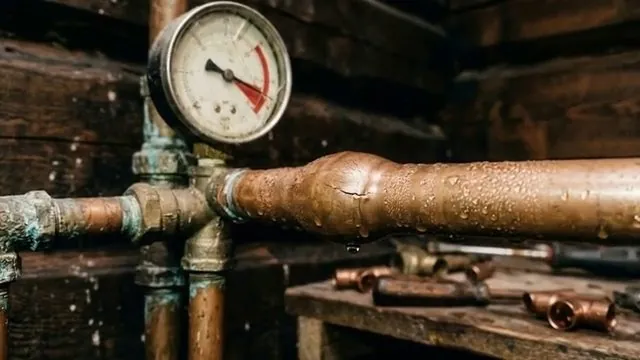
High pressure strains fixtures and fittings, and a failed pressure regulator can cause it. A plumber reads the pressure at a hose bib with a gauge. A pressure reducing valve near the meter lowers it to a safe level, and a unit that has failed can be replaced. Low pressure has other causes: a partly closed valve, a clogged line or a narrowed galvanized pipe.
Every house should have a main shutoff valve you can reach. Replace one that leaks at the stem or will not close fully. A valve that has not been turned in years is stuck more often than broken, and a plumber replaces it rather than forcing it.
Permits and licensing for a water line job
Replacing a service line can call for a permit and a street-side inspection. Questions go to the Building Division at 303-739-7420 (Aurora building permits), and the City’s lookup tool shows the credentials a company has filed. Ask who files the permit and who restores any pavement.
Also covered: the meter, the main line and pressure testing
Calls also cover a leaking meter connection, the main water line from the street, pressure testing of lines and low water pressure complaints.
Water line questions
The main water valve is leaking. Is that a water line repair?
Imagine a valve that drips at the handle when you turn it. That is a stem or packing leak, and the usual fix is to replace the valve. Close it, drain the line and have a plumber install a new one.
If the valve is on the street side of the meter, it belongs to the utility, so call Aurora Water before touching it.
Water is bubbling up under my driveway. How urgent is it?
Do now: close the main shutoff valve, photograph the wet area and call. A leak that runs under concrete can wash out soil and undermine the slab.
Can wait: a small damp spot that does not grow and a meter that stops when the valve is closed. A plumber still needs to locate the line, so call during normal hours.
Do I need a new shutoff valve, or just a repair?
One choice is to replace a valve that leaks, sticks or does not close fully. The other is to leave it alone if it turns smoothly and holds.
A valve that has not moved in years should be worked by a plumber, not forced, because a broken stem can leave the house without a shutoff.